
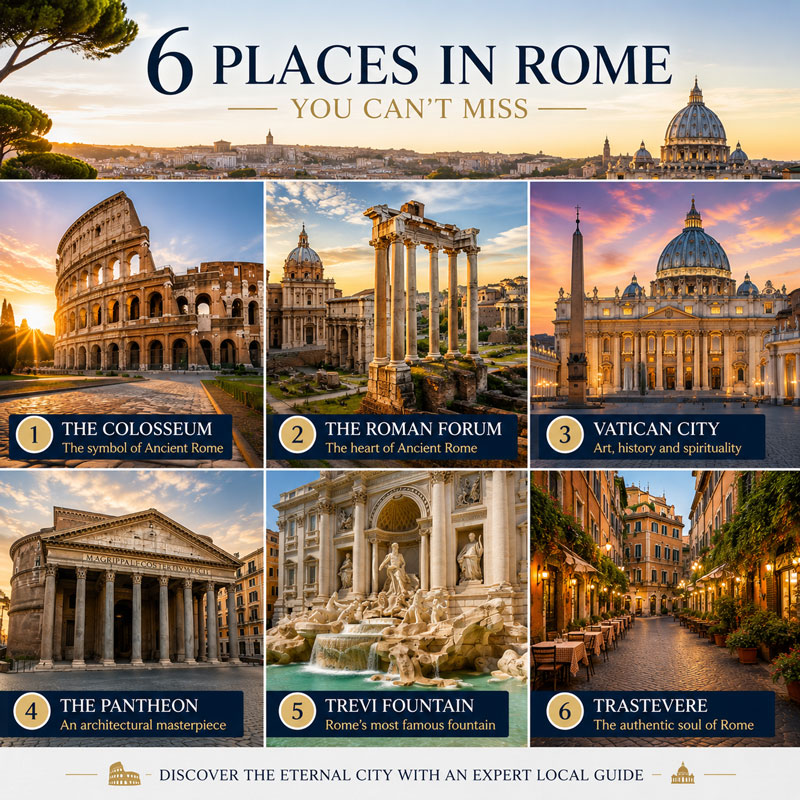
Why Choosing an Expert Guide Makes All the Difference in Rome…
Read More
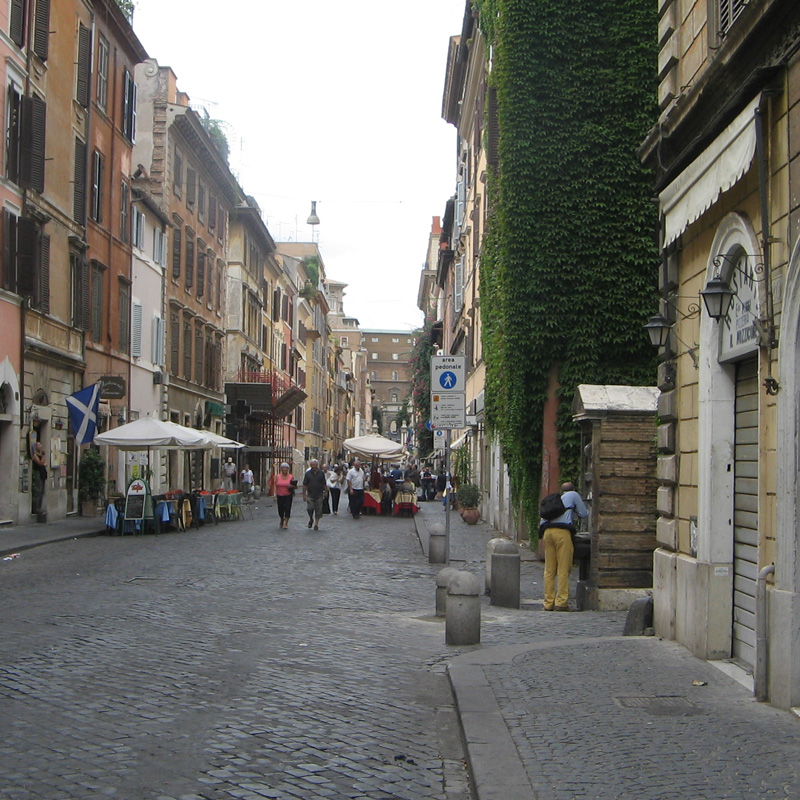
Borgo Pio: Rome’s Most Charming Hidden Street Near the Vatican…
Read More

The Secrets of the Sistine Chapel: Details Most Visitors Never Notice…
Read More

Ostia Antica Guide: What to See, How to Get There…
Read More

Where to Eat Kosher in Rome: Complete Guide to Kosher Restaurants…
Read More
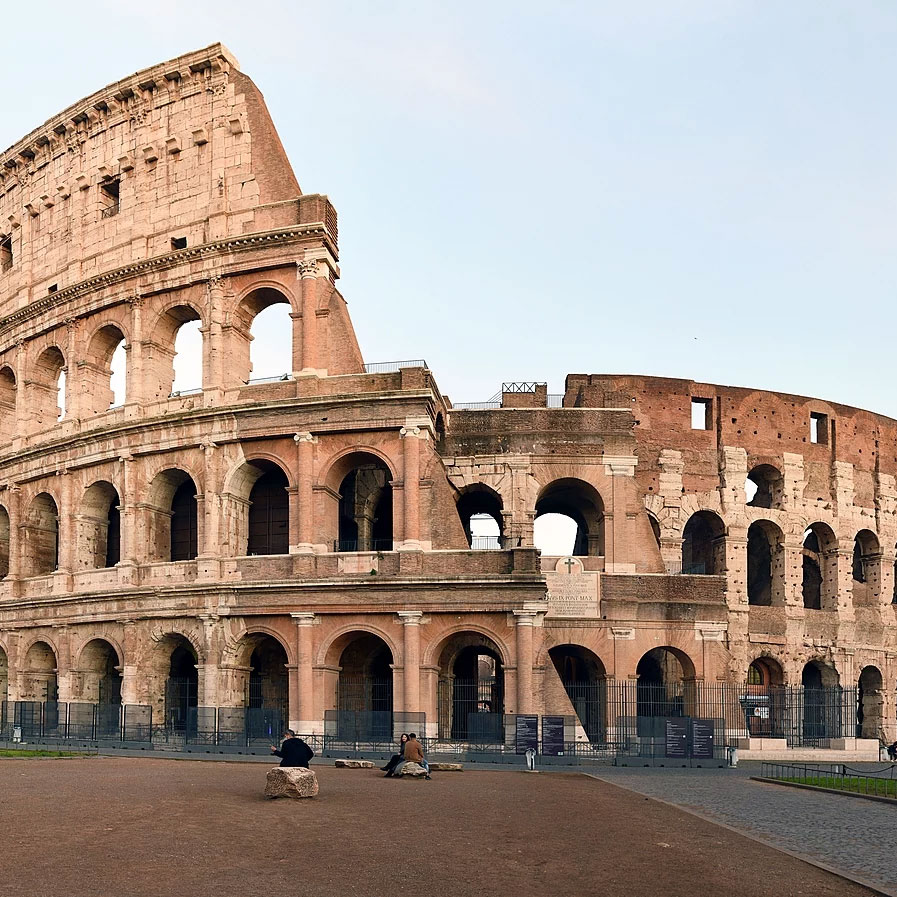
Colosseum in Rome: Tickets,
History &…
Read More

The phrase “Inbide Calcote,”
meaning…
Read More

The Myth of Hercules and Lichas: Reflections on a Fracture…
Read More

The Former Slaughterhouse of Testaccio in Rome: From Industrial…
Read More

San Lorenzo District in Rome: history, nightlife and student life
Read More

Roma Turrita: The Medieval Towers of Monti
Read More

The Sedia Stercoraria: Between Legend and Reality
Read More

Narrating Santa Maria in Trastevere in the Time of Innocent II
Read More

The Medieval Fresco Cycle of the Sanctuary of the Madonna di Ceri
Read More

Piazza di San Calisto in Trastevere:
Local Life, Historic Bars and…
Read More

Raphael and the Final Virtues
In the Stanza of Constantine in the Vatican, two Virtues
Read More
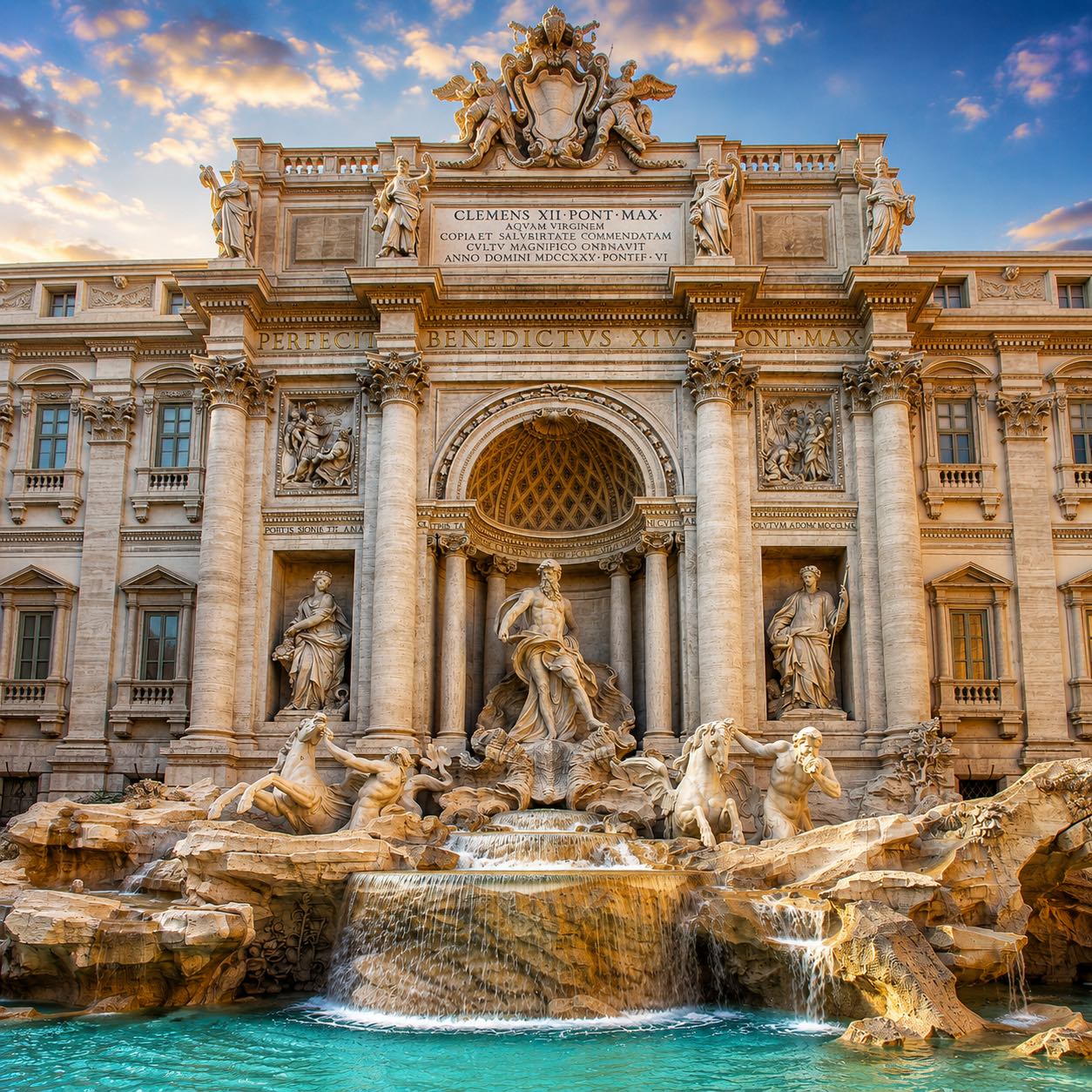
Trevi Fountain Walking Tour: Discover Rome’s Most Famous…
Read More
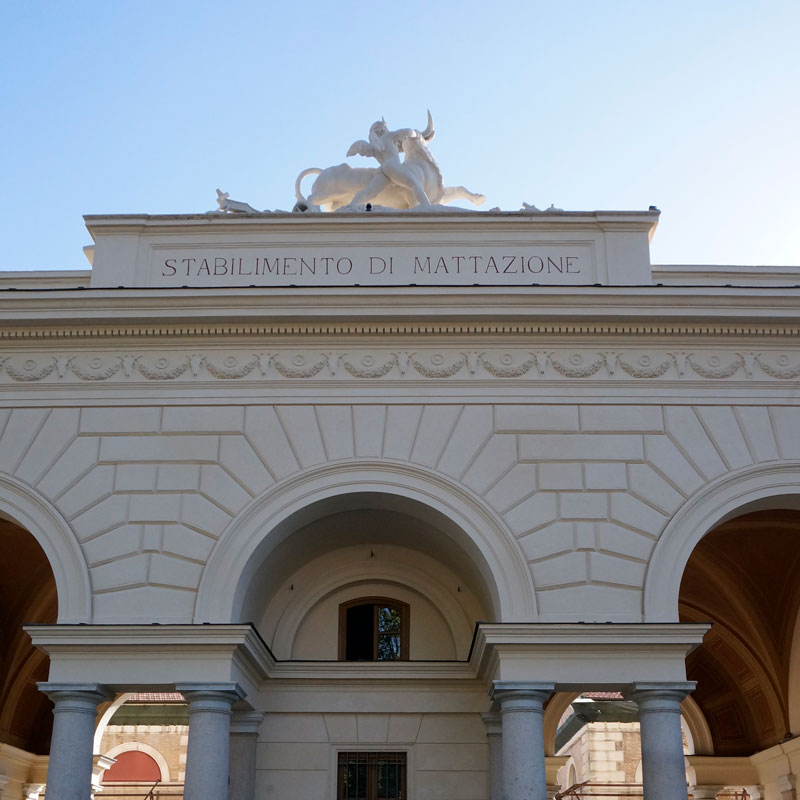
Mattatoio Rome Guided Tour: Discover Testaccio’s…
Read More
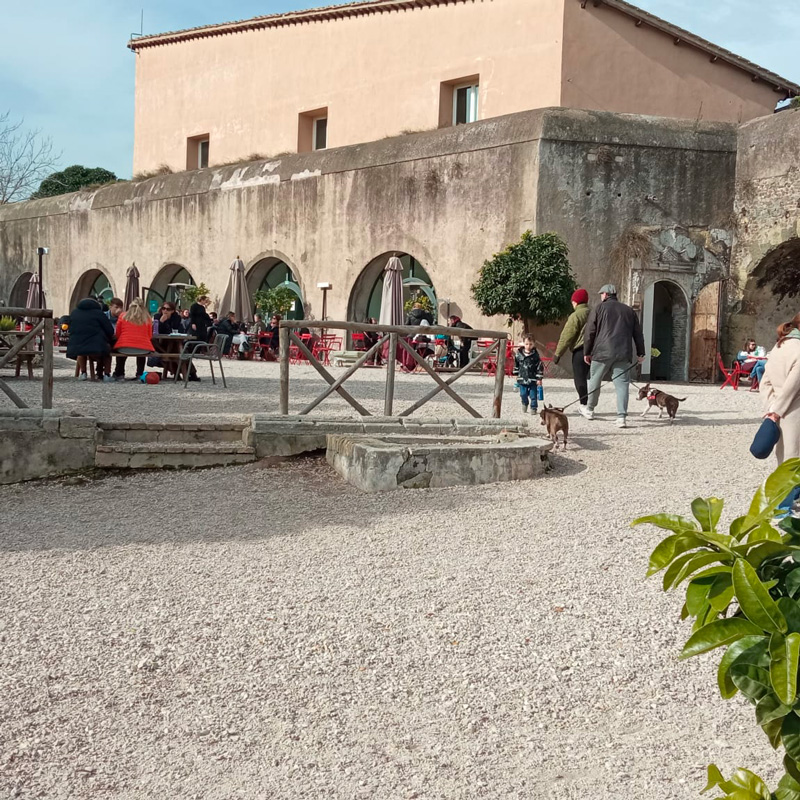
Villa Doria Pamphilj: An Alternative Walk Through…
Read More
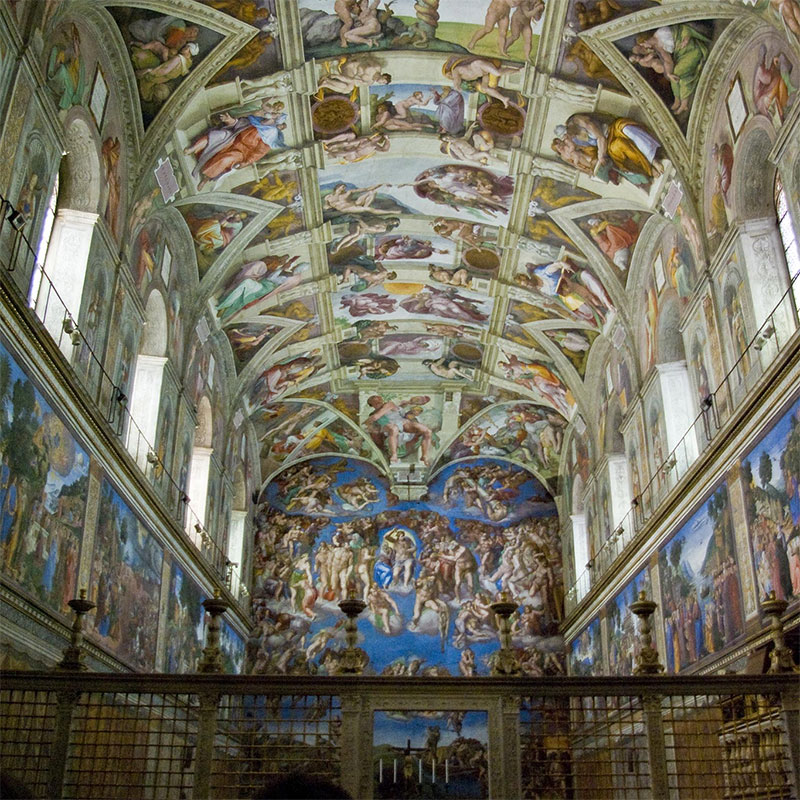
Sistine Chapel Guide 2026: Michelangelo, Tickets &…
Read More
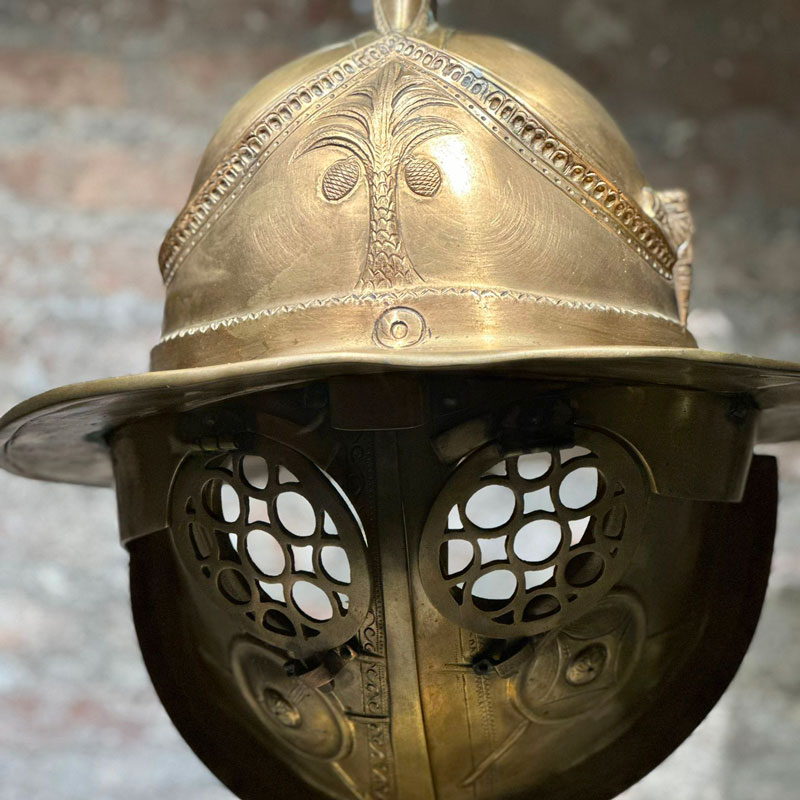
Colosseum Underground: Discover the Hidden Hypogeum of…
Read More

Colosseum vs Roman Forum
vs Palatine Hill…
Read More
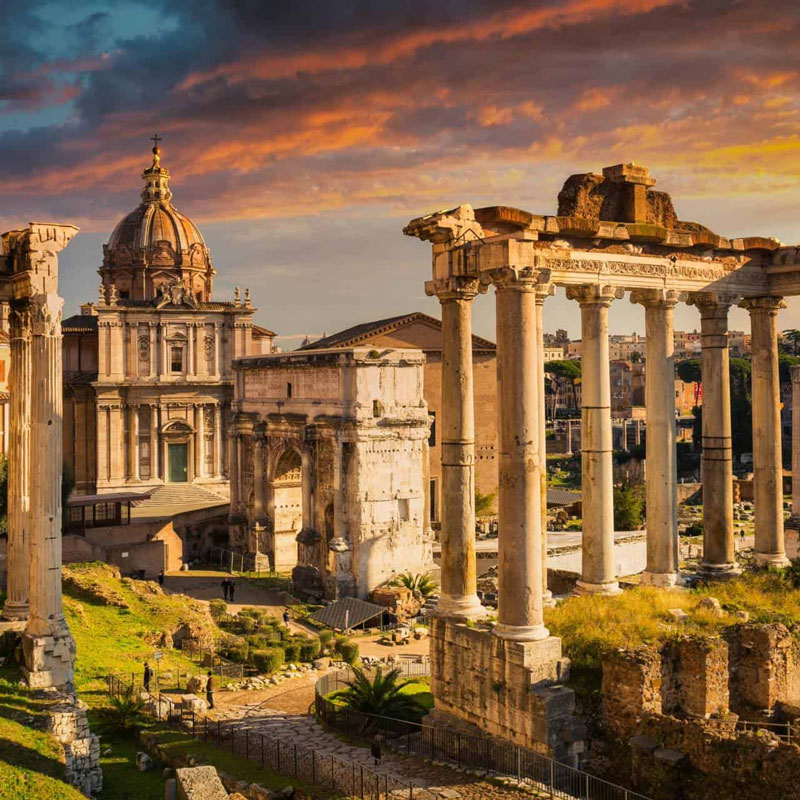
Palatine Hill in Rome: History, Tickets & How to Visit…
Read More
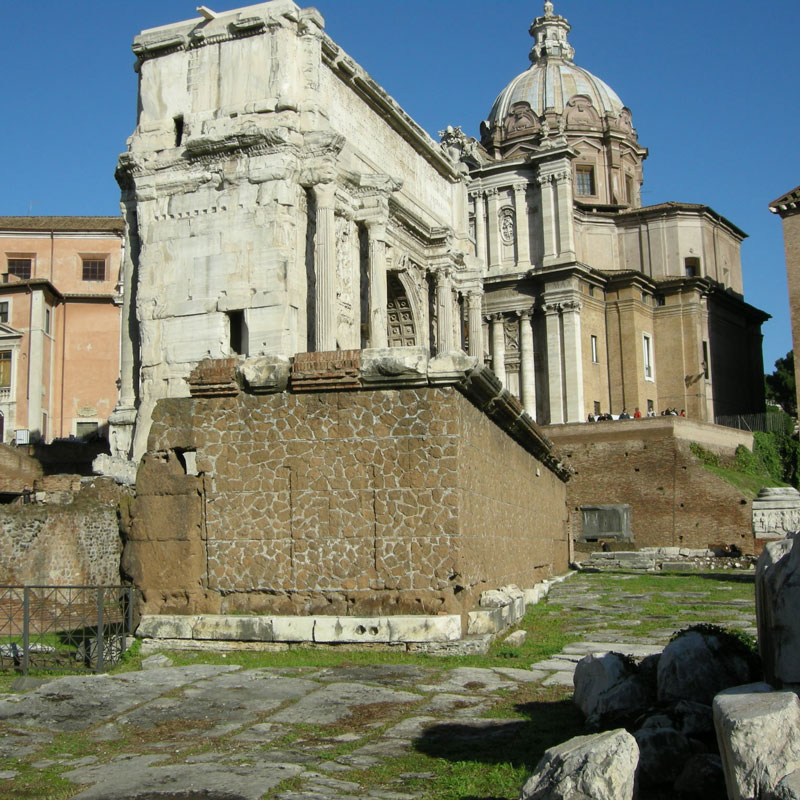
Roman Forum in Rome: Complete Guide to History, Tickets & Visit Tips…
Read More

San Lorenzo Hostel in Rome: Where to Stay for Nightlife and…
Read More

Beatrice Cenci’s Ghost on the Janiculum Hill…
Read More

Rome: The City of Endless
Facets Rome…
Read More

Raphael’s Double Portrait at the Doria Pamphilj Gallery
Read More

Claude Monet’s Water Lily Pond. “I follow nature without…
Read More

San Crisogono: An Underground Paradise in Trastevere
Read More

Galleria Borghese: The Rape of Proserpina by Bernini
Read More

The Torre dei Conti
Until just a month ago, the…
Read More
The Value of a Dedicated Blog for a Professional Tour Guide in Rome
Rome is one of the most complex and fascinating cities in the world. Its layers of history, art, archaeology, and traditions require more than a simple visit: they demand expert interpretation. For this reason, a dedicated blog for a highly qualified tour guide such as Dr. Francesca Pedullà represents an essential resource for travelers seeking authentic and meaningful experiences in the Eternal City.
A professional blog is not just a promotional tool, but a space for cultural storytelling. Through carefully written articles, a guide like Dr. Pedullà can share in-depth insights, historical context, and lesser-known perspectives that go far beyond standard guidebooks. This approach allows visitors to connect emotionally with Rome even before arriving.
Sharing Expertise and Local Knowledge
As a licensed and experienced tour guide, Dr. Francesca Pedullà brings academic training and on-the-ground expertise into every tour. A blog allows her to translate this knowledge into accessible content, such as articles on ancient Roman daily life, Renaissance art itineraries, or hidden corners of Trastevere and the Jewish Ghetto.
By publishing original content regularly, the blog becomes a trusted reference point for travelers who want reliable information curated by a true professional. External platforms such as GuidesFinder also confirm her professional profile, reinforcing credibility and authority.
SEO Benefits and Online Visibility
From a digital marketing perspective, a blog dedicated to a professional guide in Rome is a powerful SEO asset. Well-optimized articles help rank for key search terms like “Rome private tours,” “licensed tour guide in Rome,” or “cultural tours in Rome.” This increases organic traffic and attracts visitors who are already interested in high-quality, personalized experiences.
Internal links to tour pages and external references to cultural institutions, museums, or official tourism portals further strengthen search engine relevance and user trust. A blog also allows easy integration with a tour website such as Roma-Tour , creating a coherent and professional digital presence.
Building Trust and Long-Term Relationships
Beyond visibility, a blog helps build long-term relationships with readers. By offering practical tips, seasonal advice, and behind-the-scenes stories, Dr. Pedullà positions herself not only as a guide, but as a cultural ambassador for Rome. Readers are more likely to book a tour when they already feel informed and inspired.
In conclusion, a blog dedicated to a super professional guide like Dr. Francesca Pedullà is a strategic and cultural investment. It enhances the visitor experience, strengthens online authority, and transforms a simple tour into a journey of knowledge, passion, and discovery in Rome.